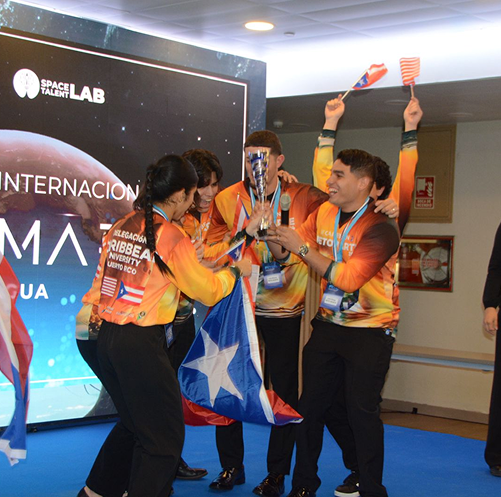

Most people imagine astronauts floating gracefully through space, but the reality is far harsher. Space travel causes severe muscle wasting, bone loss, immune suppression, and cardiac strain, even with rigorous exercise regimens. These extreme challenges demand innovative solutions that young innovators can prototype through dual-planet innovation programs. By designing for Mars, you simultaneously create breakthrough technologies that solve Earth’s most pressing sustainability problems.
Table of Contents
- Why Mars’ Environment Demands Prototyping Innovations
- Understanding Muscle Atrophy and Health Risks in Space and Mars
- Dual-Planet Innovation: How Mars Challenges Inspire Earth Solutions
- Prototyping Strategies for Young Innovators Tackling Mars and Earth Challenges
- Explore Mars Challenge to Bring Your Prototypes to Life
Key takeaways
| Point | Details |
|---|---|
| Mars environment demands innovation | Extreme cold, thin atmosphere, and reduced gravity create survival challenges requiring new technologies |
| Physical health risks are severe | Muscle atrophy and bone loss occur rapidly in space, driven by genetic mechanisms we can target |
| Dual-planet prototyping multiplies impact | Solutions for Mars resource scarcity directly apply to Earth’s climate and sustainability crises |
| Young innovators drive real change | Team-based prototyping builds meta-skills while solving actual problems for both planets |
Why Mars’ environment demands prototyping innovations
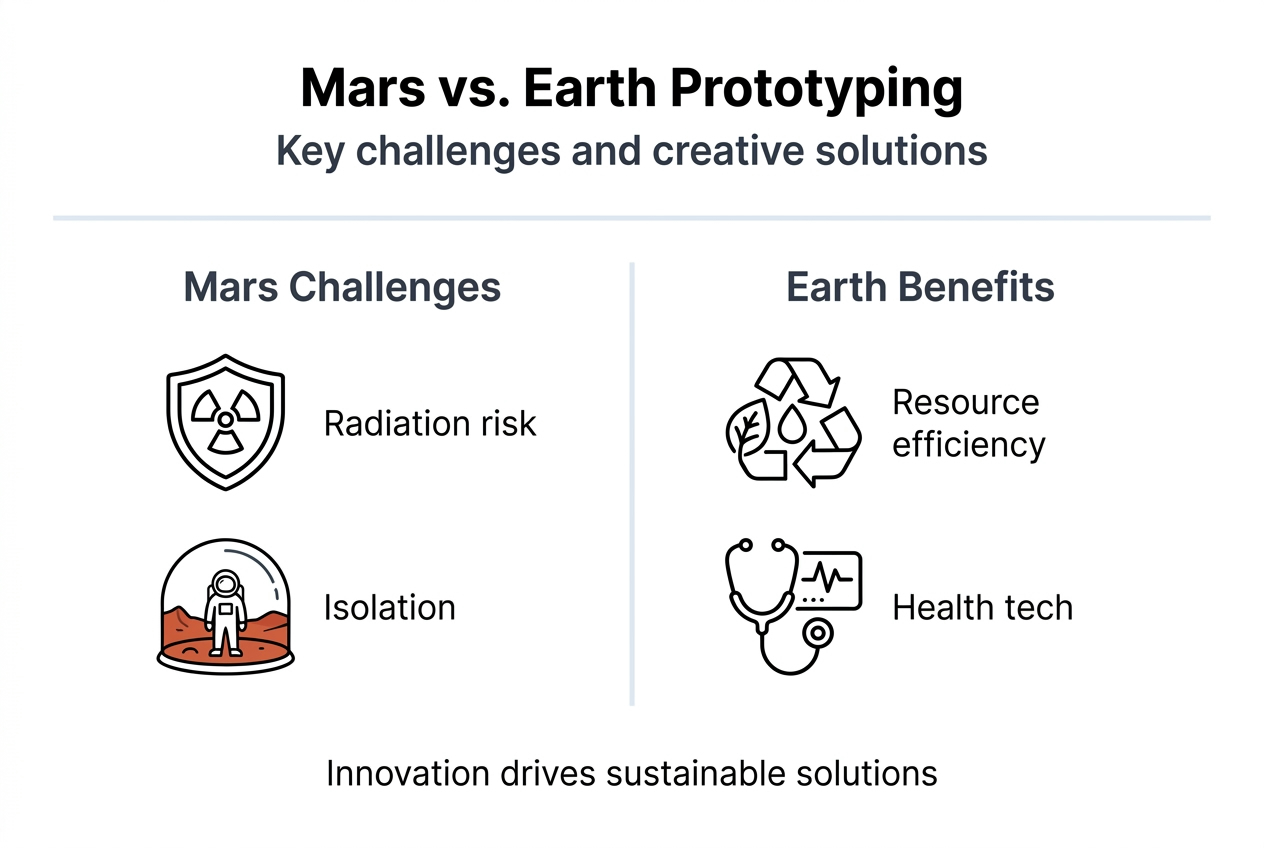
The journey to Mars takes six to nine months, exposing travelers to isolation, radiation, and microgravity that devastate human physiology. Once you arrive, Mars gravity stands at just 38% of Earth’s, compounding the physical strain already inflicted during transit. The atmosphere is ultra-thin, mostly carbon dioxide, with temperatures plummeting to negative 80 degrees Fahrenheit on average.
These harsh conditions create urgent needs for protective habitats, life support systems, and health countermeasures. Harvard Mars habitability research shows that astronauts experience muscle wasting despite exercising two hours daily. Traditional Earth-based solutions fail in these extreme environments.
Young innovators tackling Mars challenges must prototype technologies addressing:
- Closed-loop water and air recycling to sustain life without resupply
- Radiation shielding materials using local Martian resources
- Food production systems functioning in low gravity and limited light
- Exercise equipment preventing muscle and bone deterioration
- Mental health support tools for isolated teams
Prototyping for these constraints forces creative problem-solving that generates unexpected Earth applications. Resource scarcity on Mars mirrors growing shortages on our home planet, making dual-planet innovation a practical strategy rather than science fiction.
Understanding muscle atrophy and health risks in space and Mars
The biological mechanisms behind space-induced muscle loss reveal why prototyping health technologies is critical. Research identifies that atrogin-1 gene activation drives muscle atrophy in both microgravity and severe diseases like cancer and sepsis. This genetic pathway breaks down muscle proteins when mechanical loads decrease, as happens in weightlessness or reduced Mars gravity.
Understanding this molecular target enables innovators to prototype interventions at multiple levels. You might design mechanical loading devices that stimulate muscles differently than Earth exercise, or develop pharmaceutical countermeasures targeting atrogin-1 expression directly. Both approaches require iterative testing and refinement through hands-on prototyping.
Bone loss accelerates similarly, with astronauts losing up to 1.5% of bone mass monthly in space. Calcium leaches from bones without gravity’s constant pressure, weakening skeletal structure and increasing fracture risk. Prototyping solutions for Earth and Mars demands addressing these interconnected physiological systems.

Pro Tip: When prototyping health technologies, focus on measurable outcomes like muscle mass retention or bone density changes rather than subjective improvements. Quantifiable metrics let you iterate faster and prove your solution works.
The immune system also suffers in space, making minor infections potentially life-threatening on Mars where medical facilities are limited. Your prototypes must account for these cascading health risks, designing redundant systems that maintain crew wellness across multiple body systems simultaneously.
Dual-planet innovation: how Mars challenges inspire Earth solutions
Mars demands completely closed-loop life support systems where nothing is wasted. Water must be recycled from humidity, sweat, and urine. Air gets scrubbed of carbon dioxide and regenerated with oxygen from chemical processes. These constraints mirror Earth’s growing resource scarcity as climate change strains freshwater supplies and ecosystems.
Technologies prototyped for Martian survival translate directly to sustainable Earth applications:
- Advanced water purification systems for drought-stricken regions
- Vertical farming techniques maximizing food production in minimal space
- Energy-efficient climate control for extreme environments
- Waste-to-resource conversion reducing landfill dependence
- Localized manufacturing using available materials rather than global supply chains
The comparison between Mars and Earth prototyping reveals surprising parallels:
| Factor | Mars Prototyping | Earth Prototyping |
|---|---|---|
| Resource availability | Extremely limited, must use local materials | Increasingly constrained, circular economy needed |
| Environmental pressure | Radiation, cold, low pressure | Climate change, pollution, habitat loss |
| Testing requirements | Extreme durability, fail-safe redundancy | Cost efficiency, scalability, user acceptance |
| Innovation driver | Survival necessity | Sustainability imperative |
| Iteration speed | Slower due to transport costs | Faster with accessible materials |
Mars prototypes must survive radiation exposure that would destroy conventional electronics and materials. This requirement pushes innovators toward robust, simple designs that also happen to last longer and require less maintenance on Earth. The economic benefits of durable, repairable technologies become clear when you prototype with Martian constraints in mind.
You can explore dual-planet challenge examples showing how student teams have tackled problems like hydroponics systems, habitat insulation, and communication networks. These real prototypes demonstrate that solutions viable for Mars often outperform Earth-only designs in efficiency and resilience.
Prototyping strategies for young innovators tackling Mars and Earth challenges
Successful dual-planet prototyping requires deliberate strategies that maximize learning while creating functional solutions. Start by assembling diverse teams combining engineering, biology, social sciences, and creative design skills. This interdisciplinary approach mirrors real Mars missions where crew members must solve problems outside their primary expertise.
Follow this systematic prototyping process:
- Define the specific problem for both planets, identifying shared constraints and unique challenges
- Research existing solutions and their limitations in extreme environments
- Brainstorm multiple approaches without immediately judging feasibility
- Build rapid low-fidelity prototypes using accessible materials to test core concepts
- Measure performance against clear success criteria you established upfront
- Iterate based on failures, documenting what didn’t work and why
- Refine toward a high-fidelity prototype demonstrating viability
- Present findings showing dual-planet applications and scaling potential
Apply systems thinking for young innovators by mapping how your prototype affects interconnected systems. A water recycling system impacts energy consumption, waste management, and food production. Understanding these relationships prevents solutions that solve one problem while creating others.
Pro Tip: Document your failures as thoroughly as successes because rapid learning from what doesn’t work accelerates innovation more than slowly perfecting initial ideas. Failed prototypes teach you constraints and inspire creative workarounds.
Leverage available resources through programs supporting youth innovation. Innovation challenges for youth teams provide structure, mentorship, and peer collaboration that amplify your prototyping capabilities beyond what you could achieve alone. Global teams bring diverse perspectives that strengthen designs.
Test prototypes in conditions simulating target environments when possible. If designing for low pressure, create vacuum chambers. For temperature extremes, use freezers or heat lamps. Physical testing reveals failure modes that theory misses, giving you actionable data for improvements.
Explore Mars Challenge to bring your prototypes to life
Ready to transform your ideas into working prototypes that matter for both planets? Mars Challenge connects you with the resources, mentorship, and global community needed to tackle real sustainability problems. Our structured dual-planet innovation programs guide teams through the complete prototyping cycle, from concept to tested solution.
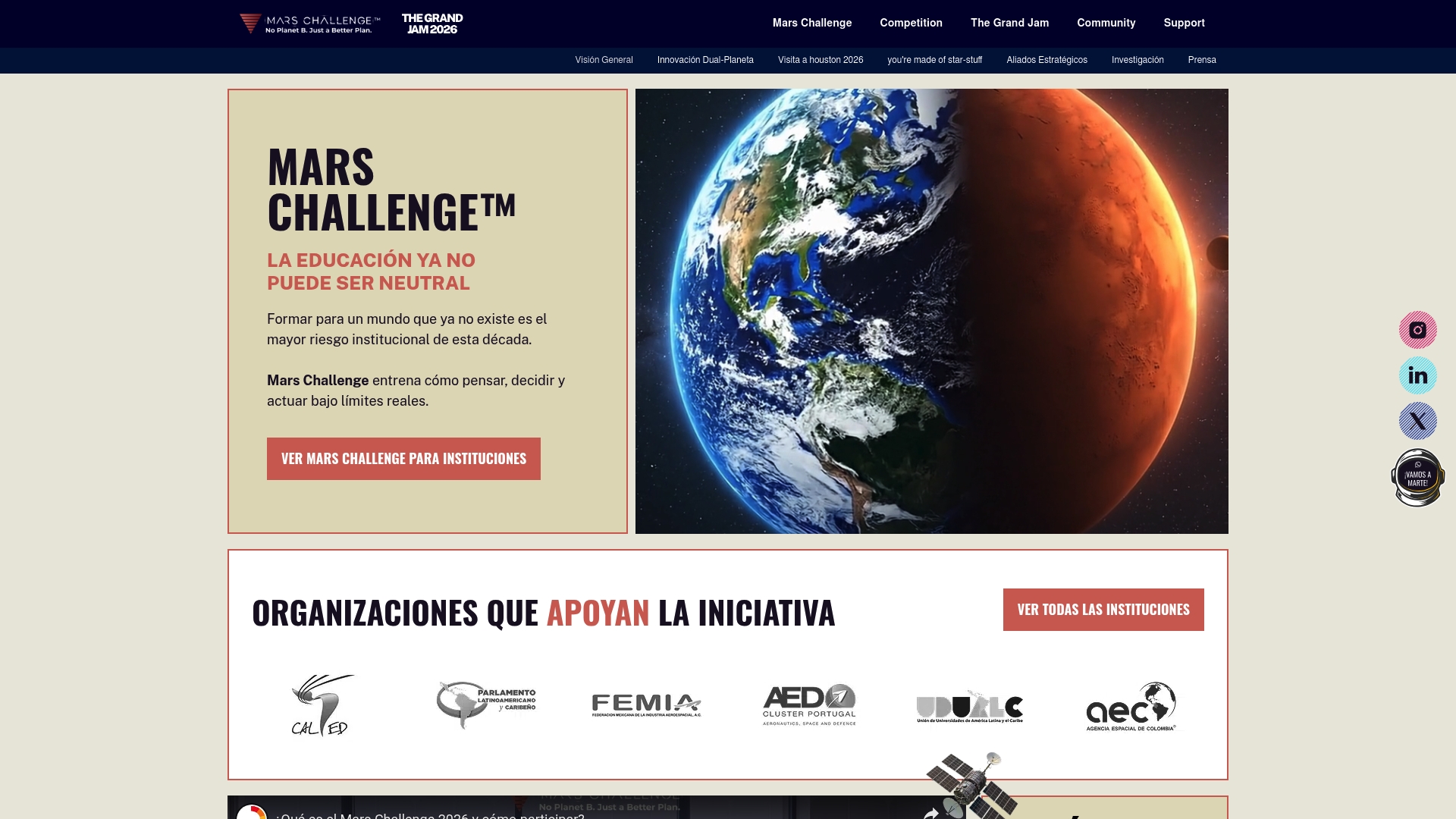
You’ll work alongside innovators from over 20 countries, learning to navigate complexity while building solutions for systems like energy, food, water, and habitats. The Grand Jam 2026 showcases the best prototypes, giving your team global visibility and opportunities to refine your work with expert feedback. Discover how to run innovation challenges that structure your prototyping process for maximum impact. Learn how to participate and start prototyping solutions that define humanity’s future on both worlds.
FAQ
What are the main physical challenges astronauts face on Mars?
Astronauts experience muscle wasting, bone loss, immune suppression, and cardiac strain caused by microgravity during transit and reduced gravity on Mars. Long duration spaceflight lasting six to nine months intensifies these health issues before arrival. The thin atmosphere and radiation exposure add environmental stressors that compound physiological deterioration.
How does prototyping for Mars help Earth sustainability efforts?
Mars survival demands closed-loop systems that recycle water, air, and waste with zero external inputs. These same technologies address Earth’s resource scarcity, offering solutions for drought regions, sustainable food production, and circular economies. Prototypes designed for Mars constraints often prove more efficient and durable than conventional Earth technologies.
Why is team-based prototyping more effective than individual work?
Dual-planet challenges require expertise spanning engineering, biology, social systems, and design that no individual possesses alone. Diverse teams generate more creative solutions by combining different perspectives and knowledge domains. Collaborative prototyping also builds communication and problem-solving meta-skills essential for tackling complex real-world problems.
How can young innovators get involved in prototyping for Mars and Earth?
Join Mars Challenge team-based programs that provide structure, resources, and mentorship for developing dual-planet solutions. Use available frameworks and collaborate with global teams to build prototypes addressing real sustainability problems. The Grand Jam 2026 offers opportunities to showcase your work and refine prototypes with expert guidance.