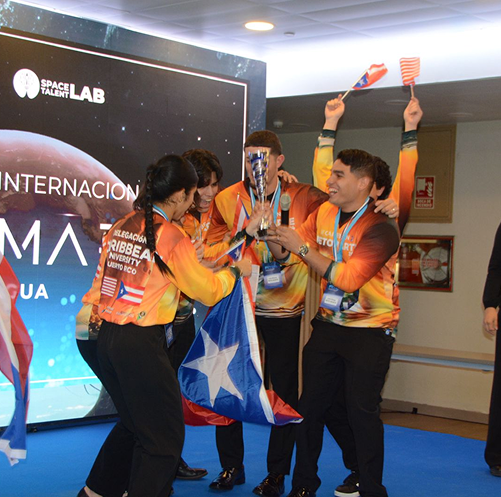


Educational leaders worldwide face a critical challenge: How do you connect young people with the complex sustainability problems that will define their future? Traditional programs often fail to bridge planetary challenges with hands-on innovation. Dual-planet educational frameworks offer a proven path forward, combining Earth and Mars sustainability to develop practical skills while empowering youth to prototype real solutions for humanity’s survival.
Table of Contents
- Prerequisites For Supporting Dual-Planet Educational Programs
- Design And Structure Of Dual-Planet Challenges
- Step-By-Step Implementation Guidelines
- Common Pitfalls And How To Avoid Them
- Ethical And Diversity Considerations In Youth Engagement
- Measuring Success: Outcomes And Impact Benchmarks
- Empower Youth With Mars Challenge Dual-Planet Programs
- Frequently Asked Questions
Key takeaways
| Point | Details |
|——-|———||
| Prerequisites matter | Digital platforms, interdisciplinary mentors, and supportive infrastructure increase project success rates by 30%. |
| Program design integrates ethics | Next Human Learning methodology cultivates meta-skills and ethical intelligence through team-based challenges. |
| Implementation follows clear steps | Launch with digital infrastructure, recruit diverse teams, run local hackathons, then scale to global showcases. |
| Avoid common pitfalls | Mentorship gaps and unclear goals reduce success by up to 40%, but structured support systems prevent this. |
| Measure meaningful impact | Track sustainability literacy gains of 60% and critical thinking improvements of 45% to demonstrate value. |
Prerequisites for supporting dual-planet educational programs
Before launching a dual-planet youth program, you need the right foundation. Digital platforms and mentor networks increase success rates by 30% by fostering ongoing guidance and peer collaboration in sustainability challenges. The Lab and similar collaboration tools enable teams to interact across borders, share prototypes, and iterate solutions together.
Your mentor network should include trained educators from multiple disciplines. Sustainability experts, engineers, designers, and social scientists bring diverse perspectives that help youth navigate complex problems. These mentors don’t just teach, they facilitate discovery and ethical reasoning.
Recruit youth participants aged 15 to 29 from varied backgrounds. Diversity drives innovation. Teams with different cultural, academic, and socioeconomic perspectives generate more creative solutions to planetary challenges.
Essential infrastructure checklist:
- Digital collaboration platforms for remote teamwork
- Access to prototyping tools and maker spaces
- Video conferencing for global mentor connections
- Cloud storage for project documentation
- Communication channels for ongoing team support
| Resource Type | Purpose | Impact |
|---|---|---|
| Digital platforms | Team collaboration and knowledge sharing | 30% higher success rates |
| Mentor networks | Interdisciplinary guidance and feedback | Improved project quality |
| Prototyping spaces | Hands-on innovation and testing | Enhanced learning outcomes |
| Global partnerships | Resource scaling and reach | Expanded program impact |
Pro Tip: Partner with universities and research institutions to access specialized equipment and expertise without major capital investment.
Institutional partnerships multiply your program’s resources. Universities, research centers, and innovation hubs provide facilities, expertise, and credibility. These relationships also create pathways for youth to continue their work beyond the initial challenge.
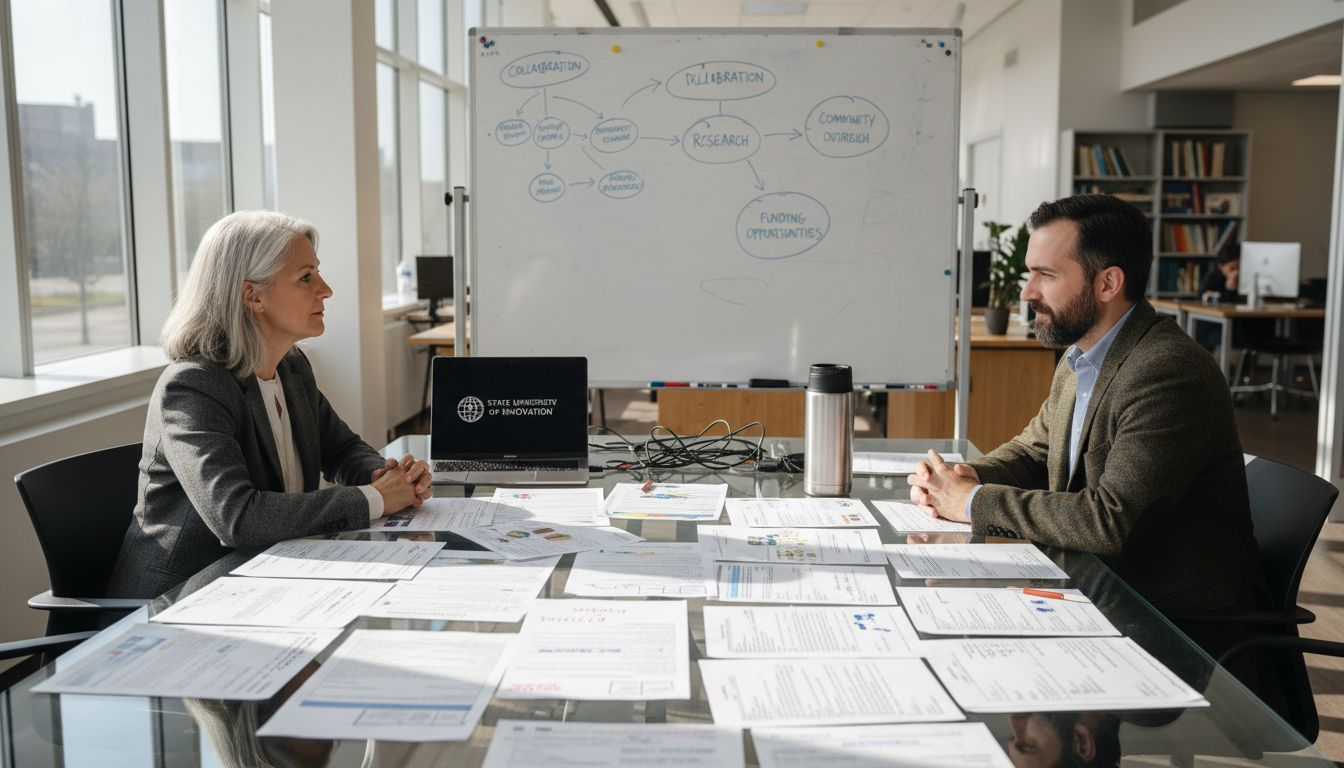
With these prerequisites established, dual-planet innovative education becomes feasible for institutions of any size. Start building your foundation now to support meaningful youth engagement.
Design and structure of dual-planet challenges
Effective dual-planet programs integrate Earth and Mars sustainability topics to create interdisciplinary learning experiences. Ethical decision-making frameworks prepare youth for complex environmental and social dilemmas across planetary contexts. This dual focus helps students see connections between immediate Earth challenges and long-term survival strategies.
Next Human Learning methodology forms the backbone of successful programs. This approach develops meta-skills like adaptability, systems thinking, and ethical intelligence through experiential projects. Youth don’t just learn about sustainability, they practice solving real problems in diverse teams.
Structure your curriculum around challenge-based learning. Present authentic problems like water recycling, food production, or energy systems. Teams research, prototype, and iterate solutions over weeks or months. This mirrors real-world innovation cycles.
Core program elements:
- Team-based projects addressing specific sustainability challenges
- Regular mentorship sessions with interdisciplinary experts
- Prototyping phases with feedback loops
- Annual hackathons for rapid ideation and collaboration
- Global showcases to present and refine solutions
Pro Tip: Start with smaller local challenges before scaling to international competitions. This builds confidence and refines your program model.
The dual-planet context naturally encourages systems thinking. When youth design a water purification system for Mars, they consider resource scarcity, closed-loop cycles, and human factors. These same principles apply to Earth’s water challenges, creating transferable knowledge.
Host annual events that bring teams together. Global finals like The Grand Jam 2026 motivate participants and showcase innovations. These gatherings celebrate achievement while fostering cross-cultural exchange and collaboration.
When you implement dual-planet challenges, focus on authentic problems that matter to young people. Climate anxiety transforms into agency when students see their work contributing to real solutions.
Step-by-step implementation guidelines
Launching a successful dual-planet program requires careful sequencing. Follow these steps to build momentum and ensure meaningful outcomes.
-
Establish digital infrastructure. Set up collaboration platforms, communication channels, and project management tools before recruiting participants. Test all systems with a pilot group.
-
Recruit and train mentors. Assemble interdisciplinary teams of educators, professionals, and researchers. Provide training on facilitation techniques and the Next Human Learning methodology.
-
Select diverse youth teams. Recruit participants aged 15 to 29 from varied backgrounds. Form teams intentionally to maximize diversity of perspective and experience.
-
Launch local hackathons. Begin with regional events where teams generate initial project ideas. These intensive sessions build excitement and team cohesion.
-
Facilitate ongoing workshops. Schedule regular sessions integrating expertise from different fields. Mentors guide ethical reasoning and technical development.
-
Support prototyping cycles. Provide access to maker spaces, materials, and expert feedback. Teams iterate solutions based on testing and critique.
-
Organize international showcases. Connect successful local teams to global events where they present solutions, learn from peers, and refine their work.
| Implementation Phase | Timeline | Key Activities | Success Indicators |
|---|---|---|---|
| Infrastructure setup | 1-2 months | Platform selection, mentor training | All systems operational |
| Team formation | 1 month | Recruitment, diversity assessment | Balanced team composition |
| Initial hackathon | 2-3 days | Ideation, team building | Project concepts defined |
| Development phase | 3-6 months | Prototyping, mentorship, iteration | Working prototypes complete |
| Global showcase | 1 week | Presentations, networking, refinement | Solutions ready for scaling |
Pro Tip: Build in reflection time after each phase. Youth learn as much from analyzing their process as from the technical work itself.
Explore dual-planet challenge examples to see how other educators structure programs. Adapt successful models to your context rather than starting from scratch.
Use a step-by-step sustainability plan to guide your youth teams through project development. Clear frameworks prevent overwhelm while maintaining creative freedom.

Integrate planetary systems thinking principles throughout your program. This helps students see connections between local actions and global impacts.
The dual-planet innovation overview provides additional context for understanding how Mars and Earth challenges inform each other. Share this with your teams to expand their thinking.
Common pitfalls and how to avoid them
Even well-designed programs encounter challenges. Lack of continuous mentorship and unclear goals reduce success rates by up to 40%. Knowing these pitfalls helps you build preventive strategies from the start.
Insufficient ongoing mentorship tops the list of program failures. Youth teams need regular guidance, not just an initial kickoff. Schedule weekly check-ins with mentors who provide feedback, ask probing questions, and connect students to resources.
Unclear problem statements frustrate teams and waste time. Provide specific challenge briefs with defined constraints, success criteria, and real-world context. Vague prompts like “solve climate change” overwhelm rather than inspire.
Common pitfalls to avoid:
- Sporadic mentorship that leaves teams directionless
- Overly broad challenges without clear boundaries
- Homogeneous teams lacking diverse perspectives
- Ignoring participants’ emotional responses to climate issues
- Weak community building that reduces engagement
Poor interdisciplinary collaboration hampers innovation. Students default to familiar approaches when teams lack diverse expertise. Require collaboration training and structure activities that force integration of multiple perspectives.
Many programs ignore youth climate anxiety, risking disengagement and burnout. Incorporate emotional support, celebrate small wins, and frame challenges as opportunities for agency. Young people need to see their work matters.
“The most successful youth sustainability programs combine technical skill development with emotional intelligence and community support. When students feel heard and empowered, project completion rates increase dramatically.”
Sustained community building improves participation. Create spaces for informal connection, peer support, and celebration. Alumni networks help students continue their work beyond the formal program.
Pro Tip: Assign peer mentors from previous cohorts to new teams. This builds community while providing relatable guidance from someone who recently faced similar challenges.
Ethical and diversity considerations in youth engagement
Dual-planet programs offer unique opportunities to develop ethical reasoning. Ethical decision-making frameworks prepare youth for complex environmental and social dilemmas that don’t have simple answers. Every sustainability challenge involves trade-offs between competing values.
Embed ethical questions throughout your program. When teams design a Mars habitat, ask who gets to go and why. When addressing Earth’s water scarcity, explore equity issues and historical injustices. These discussions build moral reasoning alongside technical skills.
Ethical integration strategies:
- Include ethical dilemmas in every challenge brief
- Facilitate discussions about values and trade-offs
- Invite diverse voices to share perspectives
- Require teams to justify decisions using ethical frameworks
- Reflect on unintended consequences of solutions
Respect cultural and social diversity within youth teams. Different backgrounds bring varied problem-solving approaches and values. Create team norms that honor these differences while building shared purpose.
The dual-planet context naturally teaches complexity. No solution works perfectly for all contexts. Students learn to evaluate trade-offs, consider multiple stakeholder perspectives, and design for adaptability.
Promote inclusion through equitable participation strategies. Ensure quieter team members contribute ideas. Rotate leadership roles. Provide multiple ways to demonstrate learning beyond presentations.
Encourage reflection on personal values alongside technical skills. Ask students to journal about how their worldview changes through the program. This metacognition deepens learning and personal growth.
Pro Tip: Use case studies from both Earth and Mars contexts to illustrate ethical dilemmas. The distance of Mars scenarios sometimes helps students discuss difficult Earth issues more openly.
Measuring success: outcomes and impact benchmarks
Quantifying program impact demonstrates value to stakeholders and guides improvement. Dual-planet youth programs achieve sustainability literacy gains of 60% and critical thinking improvements of 45%. These metrics prove young people develop real skills through well-designed challenges.
Track improvements in sustainability literacy using pre and post assessments. Test knowledge of systems thinking, resource cycles, and planetary boundaries. Gains show learning effectiveness.
Monitor youth involvement in community sustainability efforts beyond your program. Do participants join environmental organizations, start projects, or influence family decisions? This indicates lasting impact.
| Outcome Measure | Assessment Method | Target Benchmark |
|---|---|---|
| Sustainability literacy | Pre/post knowledge tests | 60% improvement |
| Critical thinking skills | Rubric-based evaluation | 45% improvement |
| Community engagement | Participation tracking | 70% continued involvement |
| Project completion | Team completion rates | 85% or higher |
| Innovation quality | Expert panel review | 50% scalable solutions |
Evaluate innovation outputs for originality and scalability potential. Expert panels can assess technical feasibility, creativity, and real-world applicability. Quality matters more than quantity.
Measure sustained engagement through project completion rates. Programs with strong mentorship and community support see 85% or higher completion. Lower rates signal structural problems to address.
Pro Tip: Collect qualitative data through student reflections and interviews. Numbers tell part of the story, but personal narratives reveal deeper transformation and learning.
Use data to refine program design continuously. What activities correlate with better outcomes? Where do students struggle? Evidence-based iteration improves effectiveness over time.
Report results to stakeholders using clear visuals and student stories. Combine statistics with testimonials to make impact tangible and compelling for future funding and support.
Empower youth with Mars Challenge dual-planet programs
Mars Challenge offers a proven platform for educational leaders ready to transform youth engagement with sustainability challenges. Our program operates in over 20 countries, connecting young people aged 15 to 29 with mentors, digital collaboration tools, and global innovation opportunities.
Explore our dual-planet innovation overview to understand how Mars and Earth challenges create powerful learning experiences. Discover proven methods for running youth innovation challenges that deliver measurable outcomes. Ready to start? Learn how to join our global community shaping sustainable futures.
Frequently asked questions
How do you ensure accessibility for diverse youth?
Provide multiple participation pathways including online and in-person options. Offer translation support, flexible scheduling, and financial assistance for materials. Partner with community organizations serving underrepresented groups to reach diverse participants.
What are effective mentorship practices?
Schedule regular check-ins with consistent mentors who ask open-ended questions rather than giving answers. Train mentors in facilitation techniques and the Next Human Learning methodology. Create peer mentorship opportunities where experienced participants guide newcomers.
How can programs handle climate anxiety among participants?
Acknowledge emotions openly and create safe spaces for sharing concerns. Frame challenges as opportunities for meaningful action rather than overwhelming problems. Celebrate small wins and connect students with broader movements showing collective impact.
What technologies support dual-planet learning?
Cloud-based collaboration platforms enable global teamwork. Virtual reality tools let students experience Mars environments. Design software supports prototyping. Video conferencing connects mentors across distances. Choose technologies your teams can access reliably.
How to measure long-term impact on youth?
Track alumni through surveys and interviews over multiple years. Monitor career choices, continued sustainability work, and community leadership. Assess changes in worldview and systems thinking ability. Long-term data reveals whether programs create lasting transformation or temporary engagement.